- 0
- 988 words
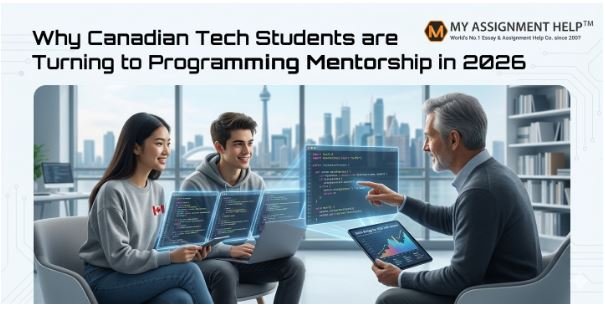
The Canadian tech landscape in 2026 is unrecognizable compared to the beginning of the decade. With the rapid integration of quantum computing clusters in Southern Ontario’s “Technology Triangle” and the explosion of AI-driven SaaS startups in Vancouver, the academic pressure on computer science students has reached an all-time high.
While Canadian universities like Waterloo, UofT, and UBC remain global leaders, the gap between theoretical classroom learning and the blistering pace of industry requirements has widened. This discrepancy is the primary driver behind a massive shift in student behavior: the move toward personalized programming mentorship.
The Evolution of the Canadian Tech Ecosystem (2024–2026)
In 2026, the Canadian government’s Digital Talent Strategy reported a 35% increase in demand for specialized roles in cybersecurity and cloud architecture. However, the graduation rate for these programs hasn’t kept pace with the complexity of the curriculum. Students are no longer just learning Python or Java; they are expected to master full-stack deployment, ethical AI auditing, and decentralized ledger technologies before their junior year.
For many students in Toronto or Ottawa, balancing a rigorous course load with the need for a competitive GitHub portfolio is overwhelming. This is where professional intervention becomes a necessity. To bridge the gap, many seek out reliable programming homework help to ensure their foundational concepts are rock-solid while they focus on high-level architecture. This shift isn’t about finding an “easy way out”—it’s about strategic time management in an era where technical debt can start as early as sophomore year.
4 Key Drivers Behind the Mentorship Trend
1. The “Skills Gap” in Post-Secondary Education
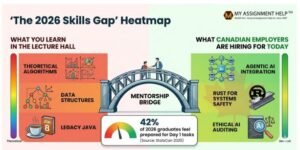
Recent data from Statistics Canada (2025) suggests that while 88% of tech graduates feel confident in theory, only 42% feel prepared for “Day 1” tasks in a DevOps environment. Mentors provide the industry-standard “code review” experience that many large lecture halls lack.
2. The Integration of Generative AI in Curriculum
By 2026, AI is no longer a tool students are told to avoid; it is a core component of the curriculum. However, learning to debug AI-generated code requires a level of nuance that automated tools cannot provide. A human mentor helps a student understand why a specific logic gate failed, rather than just providing a quick fix.
3. Economic Pressure and the “Co-op” Race
Canada’s co-op programs are world-renowned, but they are also hyper-competitive. To land a placement at Shopify, OpenText, or Google Canada, students need more than just good grades; they need production-ready projects. Mentors act as “Project Leads,” guiding students through the SDLC (Software Development Life Cycle) in a way that mimics a real job.
4. Mental Health and Academic Overload
The “burnout” rate among STEM students in Canada rose by 22% between 2023 and 2026. Many students realize that they can’t do it all alone. When the workload becomes unmanageable, they often reach out to professional services to do my assignment and regain the mental bandwidth needed to focus on their final exams and laboratory practicals.
The Impact of Regional Tech Hubs
The demand for mentorship varies across the provinces:
- Ontario: High demand for Fintech and AI mentorship.
- British Columbia: Focus on Game Development and Green-Tech.
- Alberta: A surge in Data Science mentorship related to the energy sector’s digital transformation.
- Quebec: Strong emphasis on Cybersecurity and Ubisoft-adjacent creative technologies.
Key Takeaways for Tech Students in 2026
- Mentorship is a Career Investment: Viewing a mentor as a tutor is outdated; they are now considered “Early Career Coaches.”
- Practicality over Theory: The 2026 job market values those who can navigate a legacy codebase over those who can only write “Hello World” in ten languages.
- Strategic Outsourcing: Utilizing academic support services is a common practice among top-performing students to maintain a high GPA while building side projects.
- Hybrid Learning is King: Combining university lectures with 1-on-1 industry mentorship provides the most balanced path to employment.
FAQ: Programming Mentorship in Canada
Q: Is seeking programming help considered academic dishonesty?
A: No, as long as the support is used as a learning tool. Mentorship and professional guidance are designed to explain complex concepts, debug code, and teach best practices that are often glossed over in large classrooms.
Q: How does 1-on-1 mentorship differ from a coding bootcamp?
A: Bootcomaps are often “one size fits all.” Mentorship is tailored to your specific university syllabus and your personal career goals, making it more efficient for students already enrolled in a degree program.
Q: What languages are most in demand for Canadian students in 2026?
A: Python (for AI/Data), Rust (for systems programming), and TypeScript (for modern web) remain the “Big Three” in the Canadian market this year.
Q: Can a mentor help with my Canadian co-op applications?
A: Absolutely. Most mentors in 2026 provide portfolio reviews and mock technical interviews as part of their service.
Conclusion
As we move further into 2026, the definition of a “successful student” is changing. It is no longer the person who spends 20 hours a day in the library alone, but the person who builds a network of support, utilizes professional resources, and understands that in the world of programming, collaboration is the ultimate logic.
Author Bio:
Marcus Bennett is a Senior Academic Consultant and Lead Content Strategist at MyAssignmentHelp. With over a decade of experience in the EdTech sector and a background in Software Engineering, Marcus specializes in helping Canadian students navigate the complexities of the modern STEM curriculum. He is a frequent contributor to tech-education forums and is passionate about bridging the gap between academic theory and industry reality.
References:
- Statistics Canada (2025): Tech Industry Employment Trends and Educational Gaps.
- Canadian Council of Innovators (2026): The State of Digital Talent in the North.
- Journal of Computer Science Education: The Efficacy of 1-on-1 Mentorship in STEM (Volume 14, 2026).
- Ministry of Colleges and Universities (Ontario): Report on Student Mental Health in High-Pressure Degree Programs.
Author

info.saleslinks@gmail.com
Related Posts

Charlize Theron’s Family: Inside the Lives of Her Children Jackson and August
- 0
- 710 words
Charlize Theron, a celebrated Hollywood actress known for her versatile roles and striking performances, is also a devoted mother to her two...
Read out all
Exploring Olivia Rodrigo’s Past Relationship: A Deep Dive into Her Ex-Boyfriend and Its Impact on Her Music
- 0
- 773 words
Olivia Rodrigo burst onto the music scene with a voice that captures the raw emotions of love and heartbreak. Her debut album,...
Read out all
Olivia Rodrigo Boyfriend: Unveiling the Details of Her Romantic Life
- 0
- 680 words
Olivia Rodrigo, the chart-topping singer-songwriter, has captured the hearts of millions with her music and relatable lyrics. As fans immerse themselves in...
Read out all
Does Peyton Manning Have Kids? A Peek Into His Family Life
- 0
- 741 words
Peyton Manning, a name synonymous with NFL greatness, often piques public curiosity about his personal life just as much as his legendary...
Read out all
Peyton Manning’s Kids: A Closer Look at Their Lives and Legacy
- 0
- 792 words
Peyton Manning is not only a legendary NFL quarterback, but he is also a devoted family man. Fans of the Indianapolis Colts...
Read out all
Mandal Parishad School Food Poisoning: A Comprehensive Analysis
- 0
- 889 words
Introduction In a recent alarming incident, several students at a Mandal Parishad School fell ill due to food poisoning, sparking widespread concern...
Read out all