- 0
- 974 words
As tech giants envision a future beyond smartphones, the landscape of personal technology is poised for a transformative shift. With smartphones having reached a saturation point, companies like Apple, Google, and Microsoft are racing to innovate and redefine how we interact with technology daily. This article delves into the emerging technologies set to replace smartphones, the strategic visions of leading tech companies, and the potential impacts on society and consumer lifestyles.
Introduction to the Post-Smartphone Era
Why the Shift from Smartphones?
Smartphones have dominated the tech industry for over a decade, becoming indispensable tools in our daily lives. However, as tech giants envision a future beyond smartphones, there’s a growing recognition that the current era of mobile phones cannot last indefinitely. The push for innovation is driven by the need for more seamless, immersive, and integrated technological experiences. This shift is catalyzed by advancements in artificial intelligence (AI), Internet of Things (IoT), and wearable technology.
See also Crafting a Competitive Edge with Data: Strategies for Modern Business Success
Tech Giants Leading the Charge
Apple’s Next Big Thing
Apple has long been a pioneer in consumer technology, and its vision for a post-smartphone world is no less ambitious. The company is heavily investing in augmented reality (AR) and wearable technology, evident in products like the Apple Watch and the anticipated AR glasses. Apple’s strategy focuses on creating an ecosystem where devices work seamlessly together, enriched by AI and IoT.
Google’s Future Innovations
Google is at the forefront of developing technologies that transcend traditional smartphone capabilities. With projects like Google Glass and its extensive AI research, Google aims to integrate technology more naturally into our environments. The company’s focus on smart home devices and digital assistants illustrates its commitment to a future where technology is omnipresent but less intrusive.
Microsoft’s Strategic Vision
Microsoft is leveraging its strengths in software and cloud computing to shape the future beyond smartphones. The company is investing heavily in mixed reality with products like HoloLens, aiming to blend digital content with the physical world. Microsoft’s emphasis on 5G technology and AI integration highlights its strategy to enhance connectivity and computing power across various devices.
Emerging Technologies to Watch
The Rise of AR and VR
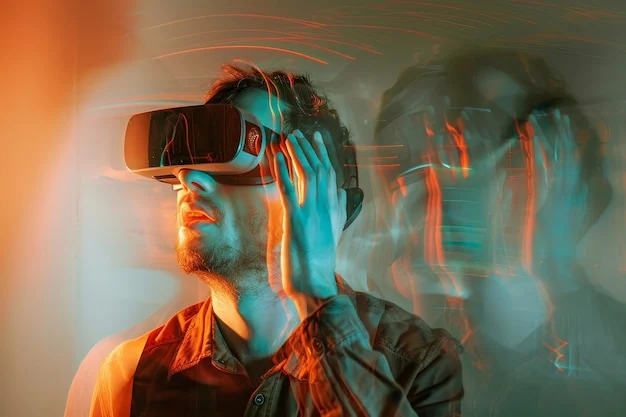
Augmented reality (AR) and virtual reality (VR) are at the forefront of the post-smartphone era, promising immersive experiences that smartphones cannot deliver. These technologies are expected to revolutionize sectors such as gaming, education, and remote work by offering new ways to interact with digital content.
Wearables: The Next Frontier
Wearable technology is rapidly evolving, with smartwatches and fitness trackers leading the way. Future innovations are likely to include multifunctional devices that monitor health, provide navigation, and offer communication capabilities without the need for a smartphone. The integration of biometric and neural interfaces could further enhance these devices’ functionality.
IoT: Connecting the Future
The Internet of Things (IoT) is expanding rapidly, with more devices becoming interconnected and capable of communicating with each other. This shift is setting the stage for smart cities, enhanced home automation, and revolutionary industrial applications, reducing our reliance on smartphones as the central control hub.
Challenges and Opportunities in Transition
Ethical and Privacy Concerns
As technology becomes more integrated into our lives, ethical considerations and privacy concerns are paramount. Tech giants must navigate issues related to data security, user consent, and the ethical use of AI. The transition beyond smartphones presents opportunities to develop more secure and transparent systems.
Market Adoption and Readiness
While the innovation is promising, the success of new technologies relies on consumer adoption and market readiness. Companies must address challenges related to affordability, user education, and infrastructure to ensure widespread acceptance. The transition also offers opportunities for companies to differentiate themselves through unique value propositions and innovations.
Conclusion: The Road Ahead for Tech Giants
The journey tech giants envision a future beyond smartphones is filled with both challenges and opportunities. As companies like Apple, Google, and Microsoft push the boundaries of innovation, they pave the way for a more interconnected and immersive technological landscape. The success of these endeavors will depend on their ability to address ethical concerns, engage consumers, and continuously innovate. As we move forward, the possibilities for technological advancement seem limitless, promising a future where technology enhances every aspect of our lives.
FAQs
- What technologies will replace smartphones? Emerging technologies like AR, VR, IoT, and wearable devices are leading candidates to replace or augment smartphones.
- How are tech giants preparing for a post-smartphone era? Companies like Apple, Google, and Microsoft are investing in AR, AI, and IoT to create integrated ecosystems of devices.
- What challenges do tech companies face in moving beyond smartphones? Key challenges include addressing privacy concerns, ensuring consumer adoption, and developing supporting infrastructure.
- What are the potential impacts of moving beyond smartphones? The shift could lead to more seamless technology integration, enhanced connectivity, and new ways of interacting with digital content.
- How does AI play a role in the future of technology beyond smartphones? AI is crucial for enabling smart interactions, personalization, and automation in the next generation of tech devices.
- Are wearable technologies secure? While wearable technologies offer convenience, they also raise security concerns that need to be addressed through robust data protection measures.
- Will smartphones become obsolete? While smartphones are unlikely to disappear entirely, their role as the central tech device will likely diminish as new technologies emerge.
As tech giants envision a future beyond smartphones, the potential for innovation and transformation in personal technology is immense. With a focus on creating a more connected, intelligent, and immersive world, the future promises exciting developments that will redefine how we interact with technology and each other.
Author

imahmadmalik0176@gmail.com
Related Posts

The Science Behind Exceptional User Experiences in Modern Applications
- 0
- 1,440 word
In today’s digital-first world, users have countless choices at their fingertips. Whether they’re using a mobile app, an e-commerce platform, a SaaS...
Read out all
Comprehensive Guide to Mariblog Tech: Unveiling the Future of Technology Insights
- 0
- 757 words
In the dynamic realm of technology, staying informed with reliable insights is crucial. Enter Mariblog Tech, a premier online resource that has...
Read out all
The Complete Guide to Fanisco: Transforming Fan Engagement with Technology
- 0
- 770 words
In the rapidly advancing field of sports analytics, Fanisco is emerging as a leader in enhancing fan engagement through cutting-edge technology. As...
Read out all
Zeus 200: The Ultimate Guide to Features, Benefits, and Comparisons
- 0
- 768 words
Are you considering the Zeus 200 but unsure if it meets your needs? Whether you’re a tech enthusiast, a professional, or a...
Read out all
Understanding NSFW247: A Safe Guide to Secure Content Access
- 0
- 870 words
In the digital era, nsfw247 has become a term that intrigues many seeking continuous access to mature audience content. Whether you’re exploring...
Read out all
How HCS 411GITS Software Was Built: A Practical Look Behind the Scenes
- 0
- 768 words
Building something like HCS 411GITS software isn’t just about writing code—it’s about solving a real problem in a structured, reliable way. Whether...
Read out all