- 0
- 1,029 word
Jelly recipes offer a delightful way to enjoy the sweet and tangy flavors of fruit in a versatile form. Whether you’re a beginner looking to create your first homemade jelly or an experienced cook seeking new and innovative recipes, exploring the world of jelly can be rewarding. At www.recipesjelly.com, you’ll find an array of jelly recipes that cater to a wide range of tastes and dietary needs.
In this comprehensive guide, we’ll delve into the essentials of jelly making, explore various recipes, and provide tips to ensure your jelly turns out perfectly every time.
Introduction to Jelly Making
What is Jelly?
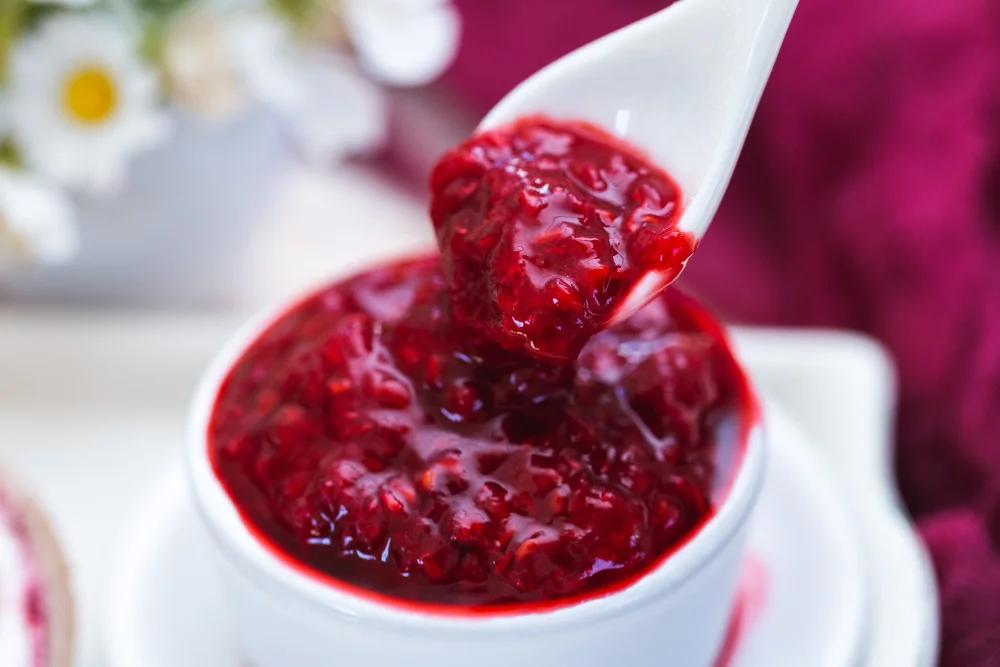
Jelly is a fruit-based spread that is typically clear and smooth, made by cooking fruit juice with sugar and pectin until it thickens. Unlike jam, which contains fruit pieces, jelly is made solely from fruit juice, giving it a more refined texture.
History and Cultural Significance
Jelly has a rich history that dates back centuries, with variations found in different cultures around the world. In the United States, jelly became popular during the early 20th century as a way to preserve fruit and enjoy its flavors year-round. Today, jelly is enjoyed globally, both as a sweet treat and a culinary ingredient.
Essential Ingredients and Tools
Choosing the Right Fruits
When making jelly, selecting the right fruits is crucial. Fruits high in natural pectin, such as apples, grapes, and berries, are ideal. However, you can also use commercial pectin to ensure a proper set.
Pectin and Sweeteners
Pectin is a natural carbohydrate found in fruits that helps jelly thicken. While many fruits contain enough pectin to set naturally, some may require additional pectin. Sweeteners like sugar are essential not only for flavor but also for preservation.
Step-by-Step Jelly Recipes
Classic Strawberry Jelly
Strawberry jelly is a timeless favorite that captures the essence of ripe strawberries in a smooth, spreadable form.
Ingredients:
- 4 cups of fresh strawberry juice
- 6 cups of granulated sugar
- 1 packet of pectin
- 1 tablespoon of lemon juice
Instructions:
- Prepare the Fruit: Crush fresh strawberries and strain through a fine sieve to extract juice.
- Cook the Jelly: In a large pot, combine strawberry juice, pectin, and lemon juice. Bring to a rolling boil, stirring constantly.
- Add Sugar: Gradually add sugar, stirring until dissolved. Return to a boil and cook for 1 minute.
- Jar the Jelly: Pour the hot jelly into sterilized jars, leaving 1/4 inch headspace. Seal and process in a water bath for 10 minutes.
Grape Jelly Recipe
Grape jelly’s deep, rich flavor makes it a beloved choice for sandwiches and desserts.
Ingredients:
- 5 cups of grape juice
- 7 cups of sugar
- 1 packet of pectin
Instructions:
- Juice the Grapes: Simmer grapes with a small amount of water and strain to obtain juice.
- Combine Ingredients: In a large pot, mix grape juice and pectin. Bring to a boil.
- Sweeten and Boil: Add sugar, stir, and return to a vigorous boil for 1 minute.
- Preserve the Jelly: Fill sterilized jars with hot jelly, seal, and process in a boiling water bath.
Innovative Flavors
Beyond traditional recipes, innovative flavors like jalapeño jelly offer a unique twist.
Jalapeño Jelly Ingredients:
- 3/4 cup finely chopped jalapeño peppers
- 2 cups apple cider vinegar
- 6 cups sugar
- 1 packet of liquid pectin
Instructions:
- Prepare Peppers: Wear gloves to deseed and chop jalapeños.
- Boil the Mixture: Combine peppers, vinegar, and sugar in a pot. Bring to a boil.
- Add Pectin: Stir in pectin and boil for 1 minute.
- Jar and Seal: Pour into jars and process in a water bath.
Tips for Perfect Jelly Every Time
- Achieving the Right Consistency: Use the spoon test to check if the jelly is setting. Dip a spoon into the mixture; if it drips slowly, it’s ready.
- Avoiding Cloudiness: Ensure all equipment is clean and free of impurities.
- Sterilization: Always sterilize jars and lids to prevent spoilage.
Creative Uses for Jelly
Jelly isn’t just for spreading on toast. Here are some creative ways to use it:
- Glazing Meats: Use jelly as a glaze for chicken or pork for added sweetness.
- Jelly Desserts: Incorporate jelly into layered desserts or trifles.
- Jelly Cocktails: Mix with spirits for a unique cocktail experience.
Troubleshooting Common Issues
- Jelly Didn’t Set: If your jelly remains liquid, it may need more pectin or additional boiling.
- Too Sweet: Balance sweetness by adding a bit of lemon juice to enhance tartness.
FAQs About Jelly Making
- How do you make jelly without pectin?
You can make jelly without pectin by using fruits naturally high in pectin, such as apples or citrus fruits, and boiling them longer to achieve the desired consistency. - What is the difference between jelly and jam?
Jelly is made from fruit juice, while jam includes crushed fruit and has a chunkier texture. - How long does homemade jelly last?
Properly sealed and stored in a cool, dark place, homemade jelly can last up to a year. - Can jelly be used in savory dishes?
Yes, jelly can be used to add a sweet component to savory dishes, such as glazes for meats or toppings for cheeses. - How can I make vegan jelly?
Use agar-agar, a plant-based gelatin substitute, to make vegan jelly. - What are the health benefits of consuming jelly?
Jelly can be a source of fruit-derived vitamins and a natural sweet treat when made with less sugar. - How do you store homemade jelly?
Store sealed jars in a cool, dark place. Once opened, refrigerate and use within a few weeks.
Conclusion
Exploring the world of jelly recipes opens up a myriad of culinary possibilities. Whether you’re crafting classic flavors like strawberry and grape or venturing into innovative territory with jalapeño jelly, the art of jelly making is both rewarding and delicious.
By following the tips and recipes provided in this guide, you can create perfectly set jellies that delight the palate and impress at any occasion. Visit www.recipesjelly.com for more inspiration and join a community of jelly enthusiasts dedicated to preserving and enjoying the sweet essence of fruit.
Author

imahmadmalik0176@gmail.com
Related Posts

Charlize Theron’s Family: Inside the Lives of Her Children Jackson and August
- 0
- 705 words
Charlize Theron, a celebrated Hollywood actress known for her versatile roles and striking performances, is also a devoted mother to her two...
Read out all
Exploring Olivia Rodrigo’s Past Relationship: A Deep Dive into Her Ex-Boyfriend and Its Impact on Her Music
- 0
- 771 words
Olivia Rodrigo burst onto the music scene with a voice that captures the raw emotions of love and heartbreak. Her debut album,...
Read out all
Olivia Rodrigo Boyfriend: Unveiling the Details of Her Romantic Life
- 0
- 685 words
Olivia Rodrigo, the chart-topping singer-songwriter, has captured the hearts of millions with her music and relatable lyrics. As fans immerse themselves in...
Read out all
Does Peyton Manning Have Kids? A Peek Into His Family Life
- 0
- 737 words
Peyton Manning, a name synonymous with NFL greatness, often piques public curiosity about his personal life just as much as his legendary...
Read out all
Peyton Manning’s Kids: A Closer Look at Their Lives and Legacy
- 0
- 792 words
Peyton Manning is not only a legendary NFL quarterback, but he is also a devoted family man. Fans of the Indianapolis Colts...
Read out all
Mandal Parishad School Food Poisoning: A Comprehensive Analysis
- 0
- 898 words
Introduction In a recent alarming incident, several students at a Mandal Parishad School fell ill due to food poisoning, sparking widespread concern...
Read out all