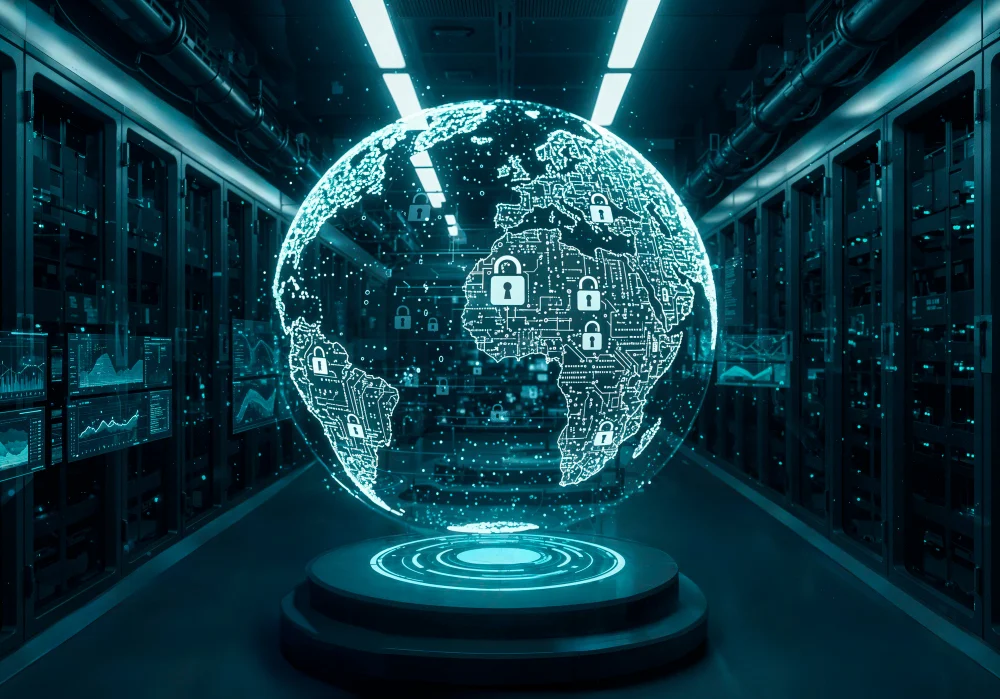
As the world becomes increasingly connected, the convergence of Artificial Intelligence (AI), the Internet of Things (IoT), and cybersecurity is reshaping how digital systems communicate, protect, and evolve. This intersection represents not just an upgrade in technology but a complete reinvention of how we approach online safety and data management. At the center of this transformation is the IP2 Network, an innovative framework that integrates these technologies to create a smarter, faster, and more secure digital ecosystem.
This article explores how IP2 Network is redefining modern connectivity through intelligent automation, adaptive security, and the seamless integration of AI and IoT systems—all while tackling the rising challenges of global cybersecurity.
The Digital Convergence Era
The digital world is changing rapidly. Billions of IoT devices—from smart home appliances to autonomous vehicles—are generating vast amounts of real-time data. At the same time, AI systems are learning to interpret, predict, and respond to this data at incredible speeds. However, with increased interconnectivity comes an equally large attack surface for cybercriminals.
Traditional cybersecurity models are no longer enough. Firewalls and VPNs can’t keep up with dynamic threats or autonomous systems that make split-second decisions. This is where the IP2 Network steps in—designed to bridge the gap between connectivity and protection by combining AI-driven intelligence, IoT compatibility, and advanced encryption frameworks.
What Makes the IP2 Network Different
Unlike conventional networks that depend on static protection layers, the IP2 Network operates as a self-learning, adaptive system. It continuously analyzes data traffic, device behaviors, and external threats in real time. This enables it to make security decisions automatically—without human intervention.
1. AI at the Core
The IP2 Network uses artificial intelligence not only to detect threats but also to predict and prevent them. By analyzing massive data sets across connected devices, it identifies unusual activities, isolates potential vulnerabilities, and adapts security protocols on the fly.
AI’s predictive capability transforms IP2 from a reactive security model into a proactive defense ecosystem. It doesn’t just respond to attacks—it anticipates them, minimizing risk before breaches can occur.
2. IoT Integration for Seamless Connectivity
The rise of IoT has brought convenience and innovation, but it has also introduced complexity and security risks. Each connected device—be it a smart sensor, wearable, or industrial control system—can become a potential entry point for cyber threats.
The IP2 Network integrates IoT devices through secure communication layers that ensure data authenticity and integrity. Its decentralized architecture allows devices to communicate safely without relying on vulnerable centralized systems. This structure significantly reduces the chances of large-scale attacks like distributed denial-of-service (DDoS) incidents.
3. Cybersecurity Reinvented
Traditional cybersecurity relies on manual updates, static firewalls, and human oversight. The IP2 Network changes this approach entirely. By merging AI’s intelligence with IoT’s interconnectedness, it enables autonomous cybersecurity—a system that evolves continuously to counter modern threats.
Its zero-trust framework ensures that every device, user, and node must verify its identity before accessing the network. Meanwhile, end-to-end encryption guarantees that even intercepted data remains unreadable and useless to attackers.
See also Discover Quartist: The Platform Empowering Modern Creators
How the IP2 Network Operates
The brilliance of the IP2 Network lies in its structure—a multi-layered ecosystem designed for autonomous operation and continuous improvement.
1. Intelligent Data Routing
IP2 doesn’t just send data; it optimizes its journey. Through smart routing algorithms, the network identifies the safest and fastest path for data packets. If one route is compromised, it automatically reroutes traffic without interrupting connectivity or exposing sensitive information.
This ensures superior performance compared to traditional networks or VPNs, which often rely on static and slower connections.
2. AI-Powered Defense Mechanisms
The IP2 Network uses machine learning to monitor billions of data interactions every second. It identifies patterns that indicate potential intrusions—such as irregular data transfers or unusual login behaviors—and isolates the threat instantly.
Over time, the system becomes smarter. It learns from past attacks and continuously updates its defense models, ensuring that emerging threats are met with evolving protection.
3. Decentralized Trust Model
Centralized systems are vulnerable to single points of failure. IP2 replaces this model with decentralized nodes that share authentication and verification responsibilities across the network. This means even if one node is compromised, the rest of the system remains unaffected and operational.
The Impact of IP2 Network on IoT Security
IoT ecosystems are particularly vulnerable because they often consist of low-power devices with limited security capabilities. Hackers can exploit these weak links to gain access to entire networks.
The IP2 Network addresses this challenge by embedding security intelligence directly into the network layer. It enables:
- Device fingerprinting: Every device connected to IP2 has a unique digital identity that’s constantly verified.
- Automated isolation: If a device shows signs of compromise, it’s immediately quarantined without affecting others.
- Encrypted communication: Data moving between devices is always encrypted, preventing unauthorized interception.
By combining these elements, IP2 creates a self-healing IoT environment, capable of detecting, isolating, and correcting vulnerabilities autonomously.
AI and Cyber Defense: A Perfect Partnership
AI’s role in the IP2 Network goes beyond detection—it’s about continuous improvement. The system uses predictive analytics to foresee attack trends and adjust defenses proactively.
For example, if the AI detects an unusual traffic spike from specific regions or devices, it can automatically throttle connections, apply new firewall rules, or reroute data through safer nodes. This level of automation drastically reduces response times, protecting users before any real damage occurs.
This combination of AI and cybersecurity is what makes IP2 not just a network—but an evolving digital organism that learns and adapts faster than hackers can exploit.
Business and Industrial Applications
The IP2 Network’s design caters to both individual users and large-scale organizations.
1. Enterprise Data Protection
Businesses handling sensitive customer data or financial transactions can leverage IP2’s encryption and predictive threat detection to safeguard assets. It also ensures compliance with evolving data protection laws by maintaining complete transparency and traceability across network activities.
2. Smart Cities and Infrastructure
As cities embrace smart technologies—like traffic sensors, connected utilities, and surveillance systems—cybersecurity becomes a public safety concern. The IP2 Network provides the reliability and scalability required to manage these systems securely, ensuring uninterrupted service while preventing cyber sabotage.
3. Healthcare and IoT Devices
In healthcare, connected devices such as patient monitors and diagnostic tools must operate securely. IP2 ensures that sensitive medical data remains encrypted, preventing breaches that could endanger patients or violate privacy laws.
Why the IP2 Network Represents the Future
The IP2 Network symbolizes a paradigm shift—from isolated defense mechanisms to an integrated, intelligent, and adaptive cybersecurity ecosystem. It combines the analytical power of AI, the ubiquity of IoT, and the rigor of advanced cybersecurity frameworks to create a connected world that’s both smart and safe.
Its decentralized and self-learning nature ensures it can evolve alongside technological advancements, positioning it as the foundation for the next generation of internet security.
Conclusion
The future of cybersecurity isn’t about adding more layers of protection—it’s about making those layers smarter and more interconnected. The IP2 Network achieves precisely that by merging AI’s intelligence, IoT’s connectivity, and advanced encryption into a unified defense system.
In a world where cyber threats are more sophisticated than ever, IP2 offers more than security—it offers resilience. It’s not just protecting the internet of today; it’s building the infrastructure for a safer, smarter digital tomorrow.
Author

imahmadmalik0176@gmail.com
Related Posts

Top 10 Creative Uses for Custom Holographic Stickers
Custom holographic stickers are more than just decorative items—they’re powerful tools for branding, marketing, and personal expression. With their eye-catching designs and...
Read out all
The Rise of the Mentor: Why Canadian Tech Students are Turning to Programming Mentorship in 2026
The Canadian tech landscape in 2026 is unrecognizable compared to the beginning of the decade. With the rapid integration of quantum computing...
Read out all
Turn Any Coffee Table Into Your Office With A Portable Monitor
The way we work has changed dramatically. With remote and hybrid setups becoming the norm, professionals are no longer tied to traditional...
Read out all
Is Wurduxalgoilds Good? A Comprehensive Guide to Understanding Its Value
In today’s rapidly evolving market, consumers are constantly in search of products that deliver on quality, effectiveness, and value. One such term...
Read out all
A Beginner’s Guide to Banking OpenFuture World Innovation
In today’s fast-paced financial landscape, banking is no longer just about depositing money or paying bills. Innovations in technology are transforming the...
Read out all
The Historical Background of Rottweilers You Didn’t Know
Rottweilers are among the most powerful and loyal dog breeds, admired for their intelligence, strength, and protective instincts. While many are familiar...
Read out all