- 0
- 1,288 word
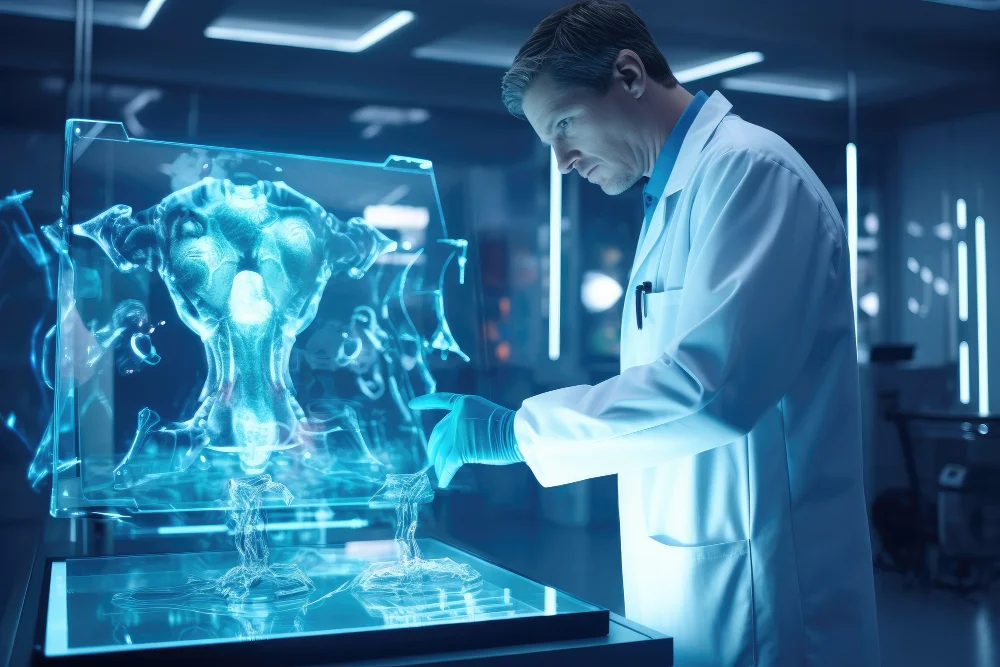
In today’s rapidly advancing healthcare landscape, accurate and timely diagnosis is the key to effective treatment. The fusion of medical imaging and digital intelligence has opened new frontiers in diagnostic precision, and at the forefront of this transformation is Diag Image — a revolutionary platform bridging the gap between imaging technology and clinical diagnosis.
With healthcare becoming increasingly data-driven, Diag Image is redefining how clinicians interpret, analyze, and act on medical imaging data. It combines artificial intelligence (AI), machine learning (ML), and visual analytics to enhance diagnostic accuracy and improve patient outcomes.
The Changing Face of Medical Imaging
For decades, medical imaging has served as the cornerstone of modern diagnostics. From X-rays and CT scans to MRIs and ultrasounds, imaging technologies have enabled doctors to see inside the human body with remarkable detail. However, traditional imaging relies heavily on human interpretation, which can be time-consuming and prone to error, especially with the increasing volume and complexity of data.
The modern healthcare environment demands speed, precision, and predictive insight — and that’s where Diag Image comes in. It bridges the gap between imaging data and actionable diagnosis by integrating AI-powered analysis into clinical workflows, ensuring that every image contributes to faster and more reliable healthcare decisions.
See also Lepbound Explained: From Science Theory to Practical Uses
How Diag Image Works
Diag Image operates through an intelligent, multi-layered process designed to support radiologists, clinicians, and healthcare teams.
1. Image Data Acquisition
The system collects data from various imaging modalities — including X-rays, MRIs, CT scans, and ultrasounds. Regardless of the source or format, Diag Image standardizes and optimizes the image quality, ensuring it’s ready for advanced analysis.
2. AI-Enhanced Image Analysis
Using deep learning algorithms, Diag Image processes images with exceptional precision. It scans each layer, pixel, and pattern to detect abnormalities such as tumors, fractures, or vascular irregularities. This level of detail helps identify conditions that might be too subtle for manual detection.
3. Automated Diagnostic Insights
Once analyzed, the platform generates visual reports highlighting areas of concern. It ranks potential findings based on probability and urgency, allowing clinicians to prioritize cases efficiently. This reduces reporting delays and enhances decision-making accuracy.
4. Continuous Learning System
Diag Image’s algorithms evolve with every scan. As more data flows through the system, it learns, adapts, and becomes even more accurate — reflecting the continuous advancement of modern medicine.
The Power of AI in Modern Diagnostics
Artificial intelligence is the cornerstone of Diag Image’s innovation. In traditional imaging, radiologists manually interpret thousands of images — a process that can lead to oversight due to fatigue or human error. AI transforms this process by analyzing large datasets in seconds, identifying complex patterns invisible to the naked eye.
Diag Image leverages AI to:
- Reduce human error by validating findings against vast datasets.
- Detect diseases early through predictive image modeling.
- Optimize radiology workflows, helping doctors focus on complex cases.
- Deliver consistent results, minimizing diagnostic variability.
By integrating AI directly into the imaging process, Diag Image doesn’t replace clinicians — it empowers them. It serves as a decision support system, enhancing accuracy while maintaining the essential human judgment that defines quality healthcare.
Early Detection for Better Outcomes
Early detection is one of the most significant benefits of Diag Image. Its visual intelligence capabilities allow healthcare providers to identify diseases long before symptoms appear.
For example, Diag Image can detect micro-level changes in tissues that may signal the onset of cancer, cardiovascular disease, or neurological disorders. By identifying these signs early, physicians can begin treatment sooner, improving recovery rates and reducing healthcare costs.
This proactive approach shifts the healthcare model from reactive care — treating illness after it develops — to preventive care, focusing on early intervention and long-term wellness.
Enhancing Radiology Efficiency
Radiology departments worldwide are under growing pressure due to high imaging volumes and limited staff. Diag Image addresses this challenge by automating time-consuming processes, such as image sorting, report generation, and pattern recognition.
Through AI-based triaging, the system can categorize scans based on urgency, ensuring that critical cases receive immediate attention. It also integrates seamlessly with hospital systems, allowing radiologists to access analyzed results within their existing workflow.
This streamlined process reduces diagnostic delays, boosts productivity, and allows healthcare providers to focus on what matters most — patient care.
The Bridge Between Imaging and Clinical Decision-Making
What makes Diag Image revolutionary is its ability to connect imaging data directly with clinical insights. Traditionally, radiologists and physicians operate within separate systems — imaging results are reviewed in one department and interpreted in another. Diag Image eliminates this divide by creating a unified, collaborative platform.
Unified Data Ecosystem
Diag Image consolidates imaging results, patient history, and clinical data in one place. This holistic view helps doctors make better, faster, and more informed decisions.
Real-Time Collaboration
The platform enables multiple specialists to review and comment on imaging results simultaneously, fostering real-time collaboration between radiologists, oncologists, surgeons, and general practitioners.
Decision Support Integration
Diag Image’s built-in decision support system cross-references image findings with diagnostic databases, ensuring that every report aligns with the latest medical knowledge and treatment guidelines.
By bridging imaging and diagnosis, Diag Image effectively transforms raw data into meaningful clinical insight.
Personalized and Predictive Healthcare
Modern medicine is moving toward personalized care, where treatment is tailored to an individual’s specific needs. Diag Image supports this by analyzing patterns across multiple imaging sessions, tracking disease progression, and monitoring treatment effectiveness.
Its predictive modeling capabilities can forecast potential health risks based on current and historical imaging data. This allows clinicians to anticipate complications, adjust treatment plans, and provide patients with proactive care strategies.
The result is a more personalized healthcare experience — one that empowers both doctors and patients with knowledge and foresight.
Ensuring Trust, Security, and Ethics
As AI becomes more integrated into healthcare, maintaining trust and ethical standards is essential. Diag Image prioritizes data security through encrypted storage and anonymized patient records. It complies with global healthcare privacy standards to ensure that sensitive data remains protected.
Moreover, Diag Image’s algorithms are transparent and explainable, allowing clinicians to understand how conclusions are drawn. This builds confidence in AI-assisted diagnosis while maintaining full clinical accountability.
The Future of Diag Image in Medicine
The future of Diag Image extends far beyond diagnostics. Its technology continues to evolve toward:
- Predictive healthcare systems that forecast disease progression.
- Remote imaging analysis, supporting telemedicine and global consultations.
- Integration with wearable technology for continuous monitoring.
- AI-guided treatment planning, where imaging insights inform surgical and therapeutic decisions.
These innovations will help build a more connected, efficient, and patient-centered healthcare ecosystem — one where technology and medical expertise work seamlessly together.
Why Diag Image Matters
In the age of precision medicine, Diag Image stands as a bridge between two critical elements of healthcare — imaging and diagnosis. By merging visual intelligence with clinical insight, it delivers faster, more reliable, and more personalized care.
It enhances radiologists’ efficiency, supports doctors’ decision-making, and empowers patients with earlier and more accurate information about their health.
Diag Image isn’t just another imaging tool — it’s a complete diagnostic partner, reshaping the future of modern medicine.
Conclusion
The journey from image to diagnosis has never been more seamless, intelligent, or precise. Diag Image represents a breakthrough in how healthcare professionals interpret medical data and make life-changing decisions.
By bridging the gap between imaging technology and diagnostic insight, Diag Image is not only transforming medical workflows but also redefining patient care for the next generation.
As the world embraces the era of smart healthcare, Diag Image stands at the forefront — where innovation meets compassion, and technology meets trust.
Author

imahmadmalik0176@gmail.com
Related Posts

Charlize Theron’s Family: Inside the Lives of Her Children Jackson and August
- 0
- 708 words
Charlize Theron, a celebrated Hollywood actress known for her versatile roles and striking performances, is also a devoted mother to her two...
Read out all
Exploring Olivia Rodrigo’s Past Relationship: A Deep Dive into Her Ex-Boyfriend and Its Impact on Her Music
- 0
- 771 words
Olivia Rodrigo burst onto the music scene with a voice that captures the raw emotions of love and heartbreak. Her debut album,...
Read out all
Olivia Rodrigo Boyfriend: Unveiling the Details of Her Romantic Life
- 0
- 685 words
Olivia Rodrigo, the chart-topping singer-songwriter, has captured the hearts of millions with her music and relatable lyrics. As fans immerse themselves in...
Read out all
Does Peyton Manning Have Kids? A Peek Into His Family Life
- 0
- 738 words
Peyton Manning, a name synonymous with NFL greatness, often piques public curiosity about his personal life just as much as his legendary...
Read out all
Peyton Manning’s Kids: A Closer Look at Their Lives and Legacy
- 0
- 792 words
Peyton Manning is not only a legendary NFL quarterback, but he is also a devoted family man. Fans of the Indianapolis Colts...
Read out all
Mandal Parishad School Food Poisoning: A Comprehensive Analysis
- 0
- 890 words
Introduction In a recent alarming incident, several students at a Mandal Parishad School fell ill due to food poisoning, sparking widespread concern...
Read out all