- 0
- 1,019 word
They say you never get a second chance at making a first impression, and that couldn’t be truer when it comes to your brand. Whether you’re launching a new product, hosting a community event, or simply trying to get your name out there, your initial touchpoint is the crucial one. And too frequently, that first touchpoint is the flyer.
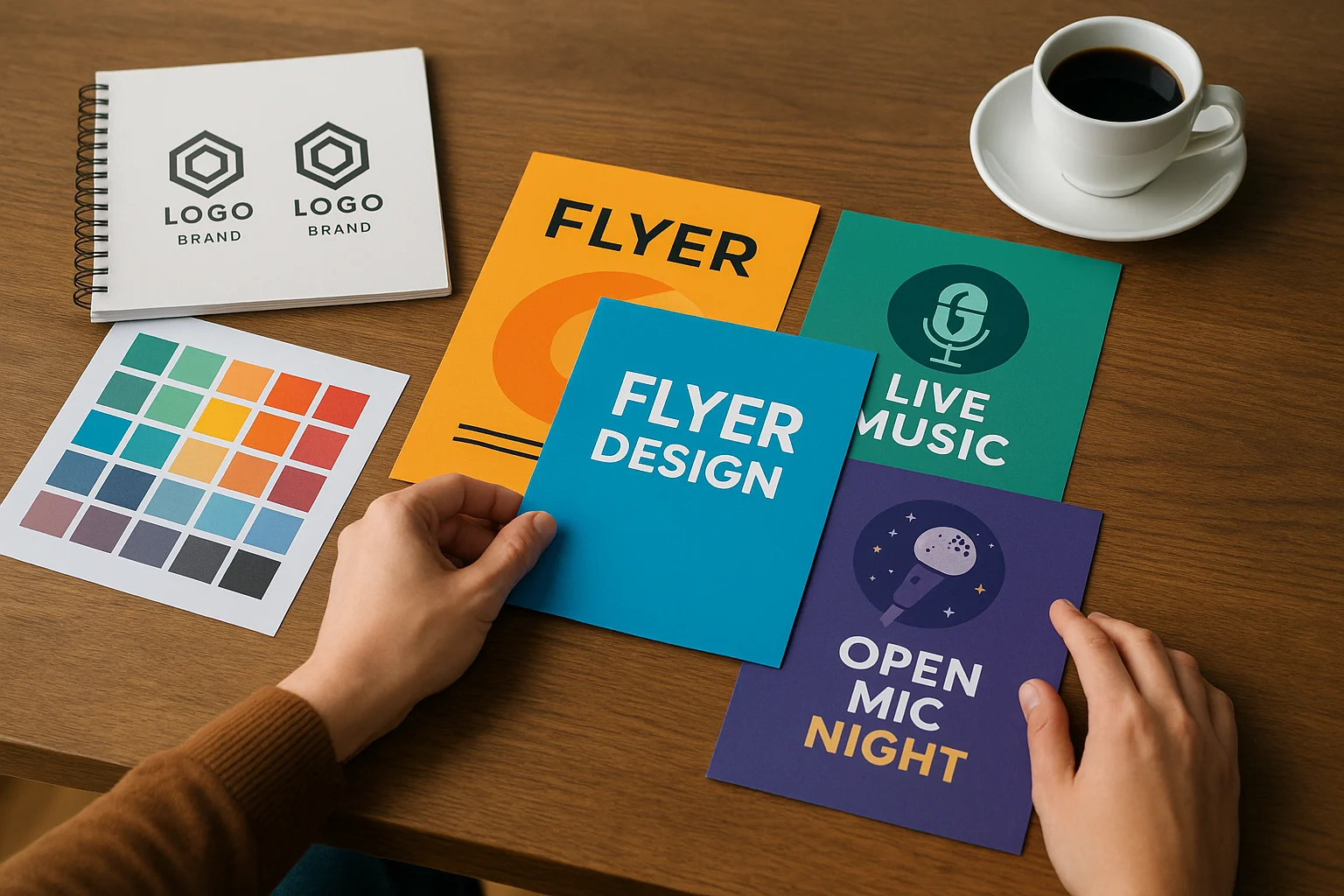
It sounds old-fashioned, but flyers are still a force to be reckoned with when it comes to branding. Used correctly, they don’t merely report event info or sales; they establish who you are. And since there are digital tools available now, it’s simpler than ever to create a free printable flyer with the click of a button so that even small businesses can present polished, professional-looking materials from the very beginning.
Let’s break down how flyers create opinion and how to make one that puts your best face forward for your brand.
Why Your Flyer Is Your Brand’s First Impression
Your flyer is small but mighty. It’s often the first piece of visual information consumers see from your brand. Here’s how that plays out in real-world terms:
1. Instant Perception
Graphics cause immediate opinions. In a Missouri University of Science and Technology study, the impression about what is being seen is created by viewers in less than 0.2 seconds. So when someone is holding your brochure, their mind is already forming opinions regarding your business before they are even able to read a single word.
2. Credibility and Trust
A well-designed flyer telegraphs professionalism. It indicates you’ve put some effort into your brand and that you’re passionate about what you’re offering. A messy, sloppy flyer? That can kill trust before you’ve even had an opportunity to build it.
3. Consistency Is Recognition
If your flyer is a reflection of your website, social media, packaging, and signage, you’re strengthening your brand identity. Consistency in materials leads to recognition, and recognition leads to trust. Think about fonts, colors, placement of the logo, and tone of voice.
Design Principles That Reflect Your Brand
Let’s say you’ve decided to create a flyer for a product launch, pop-up event, or limited-time offer. How do you ensure it does your brand justice?
1. Know Your Brand Personality
Is your brand new and bold? Or classy and conservative? Maybe it’s fun and friendly. Your flyer design should reflect that tone. Use typography, color, and imagery that aligns with the tone of your overall brand.
2. Use High-Quality Visuals
Blurry pictures or pixelated logos undermine your credibility. Choose crisp, high-resolution images that tell a story and reinforce the purpose of the flyer as intended. If your brand has specific imagery guidelines, follow them.
3. Keep Clarity of Message
A flyer isn’t a brochure, it’s an advertisement teaser. Use concise, compelling copy that tells people:
- What’s happening
- When and where it’s happening
- Why they should care
- How they can act (CTA)
Leave one clear message and don’t clutter.
4. Follow a Visual Hierarchy
The eye naturally moves through the flyer: headline → subhead → body → CTA. Use contrast, space, and alignment to guide that flow. That makes your message easier to absorb and keeps attention in the correct location.
5. Include Contact and Digital Touchpoints
In this networked world, your flyer should connect to your online properties. Include:
- Your website or landing page
- Social media profiles
- QR code to further details or tickets
- Your email or phone number
Flyers can be the door to further details, but only if you provide them with a clear path forward.
Real-World Insights: What the Data Says
You might wonder, are humans even looking at printed flyers in 2025? It seems, yes.
- 70% of consumers say they make a purchase or attend an event following receipt of a printed flyer or brochure. (Data & Marketing Association, 2024)
- Print materials also have a longer lifespan than internet advertising, usually sticking around on display for weeks or days.
- Businesses utilizing both digital and print contact enjoy a 28% higher engagement than those using internet-only campaigns. (Canada Post Smartmail Study)
In short, printed flyers are still a tangible, effective branding tool in the digital era.
How to Make Your Flyer Effective
Be Where Your Audience Is
Put your flyers where your target market already is—coffee shops, gyms, college bulletin boards, shared office spaces, or targeted ZIP code mailers.
Don’t Print and Forget
Combine flyer distribution with internet advertising. Share the online version on social media. Distribute it via email. Post it within local Facebook groups. The flyer serves as the anchor piece for multi-channel promotion.
Get Feedback
Prototype flyer designs with a test group before mass print. Is the message and image clear? Does it reflect how you want your brand to be seen? Based on feedback, make adjustments.
Measure Performance
Use trackable links or unique QR codes to monitor the volume of people scanning or reading a page referred from a flyer. In the long term, this will show the kind of flyers and spots that trigger the highest interaction.
Mistakes to Steer Clear Of
Regardless of best intentions, brands fall prey to these errors:
- Using too many fonts or colors – It makes your brand cluttered.
- No clear CTA – If folks don’t know what to do, they’ll never do it.
- Overwhelming with information – Flyers are not meant for spilling all the beans. They’re meant for stoking interest.
- Ignoring brand guidelines – Even an occasional flyer should be consistent with your visual identity.
Final Thoughts
Flyers are not pieces of paper; they’re messengers for your brand. When someone grabs one, you want them to experience something at that moment: amazement, energy, trust. And with the number of bargain basement ways to create a free printable flyer these days, there’s no excuse for boring, forgettable designs.
Start to approach every flyer as a brand handshake. Make it firm, crisp, and memorable, and you’ll likely attract attention, build trust, and trigger action.
Author

imahmadmalik0176@gmail.com
Related Posts

Exploring the Zeus 200: Features, Benefits, and User Insights
- 0
- 841 words
The Zeus 200 has emerged as a formidable contender in its field, capturing attention for its robust capabilities and innovative design. Whether...
Read out all
Feedbuzzard Advertise: A Practical Guide to Reaching the Right Audience
- 0
- 863 words
Advertising on Feedbuzzard can feel confusing at first. You may be wondering what the platform actually offers, who sees your ads, and...
Read out all
Web Development Company Ottawa vs Freelancers: Which Is Better for Your Business?
- 0
- 1,035 word
Are you a business owner considering whether you should choose a freelancer or go for a web development company in Ottawa to...
Read out all
How to Measure the Success of Your Digital Marketing Campaigns
- 0
- 1,371 word
Measuring the success of digital marketing campaigns is no longer optional—it is essential for sustainable growth and smarter decision-making. With countless channels,...
Read out all
8 Proven SEO Strategies for Food and Beverage That Drive Organic Growth
- 0
- 1,176 word
In the competitive world of food and beverage, standing out online is more than just having a visually appealing website or an...
Read out all
A Window into Thessaloniki’s Creative Side
- 0
- 1,166 word
There’s something intriguing about agencies that don’t chase noise but quietly build a reputation over decades. Pylarinos Advertising is one of those...
Read out all