
You’ve likely noticed your energy bills rising, and there’s a good chance your home is using more energy than it should.
The average Australian home produces about fourteen tonnes of greenhouse gas emissions each year from heating, cooling, driving, and even throwing away food scraps. When you add it all up, it becomes clear how much money slips away while your environmental impact grows.
At Eco 4 The World, we focus on practical steps that lower emissions without increasing your expenses. So this guide will walk you through five simple changes you can start using right away. Pick one to begin with, and you’ll start to see a difference in your bills and your overall footprint.
Understanding Your Household Carbon Footprint
Your household carbon footprint is the total greenhouse gas emissions your daily energy consumption and lifestyle choices create. You might be wondering how all this actually adds up in a typical Australian home.

Just think about everything in your home that runs on electricity or gas. These everyday items all contribute to your carbon footprint, which comes from heating, cooling, water heating, transport, and even the products you bring into your house.
To put it into context, the average home in Australia produces about 14 tonnes of CO2 each year from these activities. This number climbs quickly because power stations burn coal and natural gas to power your appliances, and that total builds over a full year.
So how do you figure out where your own emissions are coming from? Start by looking at your recent energy bills and checking your monthly electricity and gas use. Many people only realise their actual consumption once they take a proper look.
When you spot the months with the biggest spikes, you can see exactly where the issues are and select which energy drains to deal with first.
With the basic definitions covered, here are the top five ways to lower your carbon footprint.
-
Switch to Energy-Efficient Appliances and Lighting
Now that you understand where your emissions come from, let’s look at how upgrading your home tech can change things up.
Switch to LED Lighting
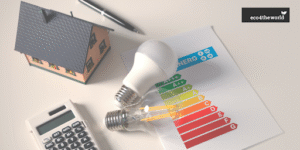
Based on our firsthand experience helping Australian households reduce their electricity bills, LED bulbs deliver the fastest returns. They use 75% less electricity than old incandescent lights and last 5-10 times longer, which means smaller power bills every month and fewer replacements.
Upgrade Your Major Appliances
Your fridge, washing machine, and dishwasher run constantly, so their energy efficiency has a huge impact on your household emissions. Replacing outdated models with high-star-rated appliances cuts power consumption by 30-50%.
So look for that Energy Rating Label and aim for at least 4 stars on any new purchase.
Unplug Standby Power Vampires
Devices in standby mode drain electricity even when you think they’re off. This phantom energy adds about 10% to your bills (that’s nearly $200 wasted per year on nothing).
The solution: unplug phone chargers, coffee makers, and entertainment systems when you’re not using them, or use a power board you can switch off completely.
Now, beyond your home’s energy use, what you eat plays a surprisingly large role in your carbon output, too.
-
Reduce Emissions Through Smarter Food Choices
Believe it or not, meat production generates far more greenhouse gas emissions than plant-based foods, with beef creating 27kg of CO2 per kilogram (that’s more than flying from Sydney to Melbourne). The reason comes down to methane from cattle digestion, land clearing for grazing, and all the fuel needed to transport meat to your supermarket.
That being said, you don’t need to go completely vegetarian to make a difference. Start by buying local seasonal produce, which reduces transport emissions and supports Australian farmers in your region.
Planning your meals prevents food waste too, which accounts for 3% of Australia’s total emissions. When you cook what you buy instead of letting things spoil, you’re cutting both waste and the greenhouse gases that come from decomposing food in landfills.
These simple changes save you money while lowering your household carbon footprint.
-
Choose Public Transport and Active Travel Options
Did you know, switching how you get around is one of the fastest ways to slash your daily emissions and save on fuel costs? Transport creates a huge chunk of Australia’s greenhouse gas emissions, and cars are the biggest contributors in that mix.
So what are the alternatives? Through our experience from helping Brisbane households cut their carbon footprint, we’ve seen the real savings from public transport. Driving creates 271g of CO2 per kilometre, while buses produce around 137g per passenger-kilometre. Trains do even better at about 79g per passenger kilometre.
| Transport Mode | CO2 Emissions per Passenger km |
| Single-occupancy car | 271g |
| Bus | 137g |
| Train | 79g |
| Walking/Cycling | 0g |
These numbers show why Brisbane’s CityCat and train network makes such a difference for your household’s carbon footprint.
The affordable fares reduce your car dependency while easing congestion across the city. For shorter distances under 5km, walking or cycling takes things even further by eliminating emissions entirely while improving your fitness.
-
Cut Waste with Reusable Products and Composting
Once you’ve tackled energy and transport, the next step is addressing what you throw away. Because Australians generate massive waste that ends up in landfills, this creates greenhouse gas emissions.
There are a few things you can do to start:
Ditch Single-Use Plastics
Single-use plastics break down into microplastics that pollute oceans and release methane in landfills. So switching to reusable bags, bottles, and containers prevents hundreds of kilograms of waste annually.
We suggest keeping shopping bags in your car, using a quality water bottle, and choosing food storage containers instead of plastic wrap.
Start Home Composting
Beyond plastics, your food scraps deserve better than the rubbish bin. Home composting diverts organic waste from landfills and creates nutrient-rich soil for gardens. When food waste sits in landfills, it produces methane as it breaks down.
Just use a simple compost bin to turn that same waste into something useful while cutting your carbon footprint. Even apartment dwellers can use worm farms or bokashi systems.
-
Support Green Energy Providers
Most Australian households still get power from coal and gas generators, which pump enormous greenhouse gas emissions into the atmosphere. The easiest solution is switching to cleaner options.
Switch to Renewable Energy Plans
Green energy providers source electricity from wind, solar, and hydro power instead of fossil fuels. And surprisingly, you don’t need to make any changes to your house or wiring either.
Here’s how it works: the electricity comes through the same grid, but your money supports clean energy generation rather than coal-fired power plants.
Install Solar Panels
Taking things a step further, solar panels generate clean energy directly on your roof. The upfront investment pays itself back through lower electricity bills, and government rebates make installation more affordable for Australian households.
On top of that, any excess energy you generate feeds back into the grid, supporting your community’s shift to renewable power.
Small Changes, Big Impact on Climate Change
So where does all this leave you? Between upgrading appliances, changing your diet, and rethinking transport, reducing your household carbon footprint involves multiple everyday decisions. The good news? You don’t have to tackle everything at once.
At Eco 4 The World, we help Australian households cut emissions through practical strategies that work in real homes. Just start with one or two changes that fit your lifestyle today, and you’ll see the difference in both your environmental impact and your wallet.
Author

sharjeel.uhservices@gmail.com
Related Posts

Top 10 Creative Uses for Custom Holographic Stickers
Custom holographic stickers are more than just decorative items—they’re powerful tools for branding, marketing, and personal expression. With their eye-catching designs and...
Read out all
The Rise of the Mentor: Why Canadian Tech Students are Turning to Programming Mentorship in 2026
The Canadian tech landscape in 2026 is unrecognizable compared to the beginning of the decade. With the rapid integration of quantum computing...
Read out all
Turn Any Coffee Table Into Your Office With A Portable Monitor
The way we work has changed dramatically. With remote and hybrid setups becoming the norm, professionals are no longer tied to traditional...
Read out all
Is Wurduxalgoilds Good? A Comprehensive Guide to Understanding Its Value
In today’s rapidly evolving market, consumers are constantly in search of products that deliver on quality, effectiveness, and value. One such term...
Read out all
A Beginner’s Guide to Banking OpenFuture World Innovation
In today’s fast-paced financial landscape, banking is no longer just about depositing money or paying bills. Innovations in technology are transforming the...
Read out all
The Historical Background of Rottweilers You Didn’t Know
Rottweilers are among the most powerful and loyal dog breeds, admired for their intelligence, strength, and protective instincts. While many are familiar...
Read out all